


Blog / Hammond CDJR Financing

Bad Credit New Car Financing Guide for Louisiana Drivers

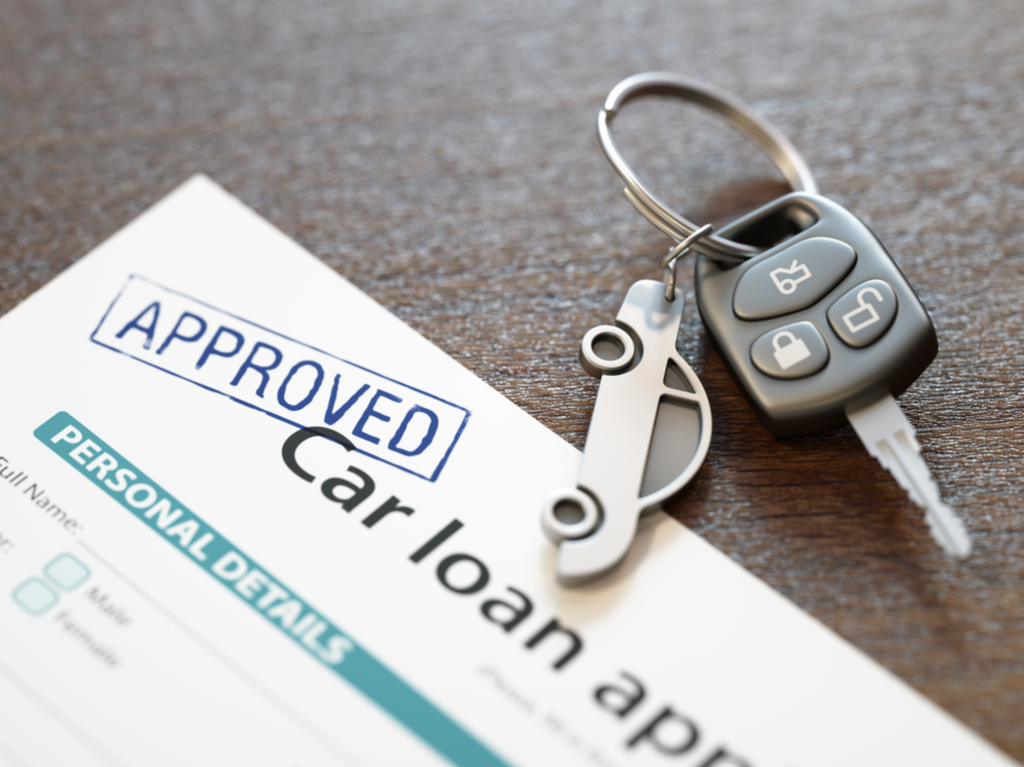
Car key fob and car shaped keychain rest on a document stamped APPROVED.

Bad credit new car financing may still give Louisiana drivers a path toward dependable transportation. A credit score is only one part of a lender review. Additionally, income, debt, residence, vehicle price, and the requested loan amount matter. Therefore, one prior denial does not close every route. Dealership finance teams may work with several lenders, each using its own review rules. Still, every approval remains subject to verified information and the chosen vehicle. Knowing the process can make your next application clearer and less stressful.

Can You Finance a Vehicle With Bad Credit?

First, a low credit score does not create an automatic denial. Additionally, lenders review the full application before issuing a decision. They may check income, housing costs, monthly debts, job history, and recent payment records. Additionally, they review the amount you want to finance.

Why can two lenders reach different answers? Each lender uses its own credit standards and loan programs. One lender may accept a file that another lender declines. Therefore, a past rejection does not predict every future result.

No credit history creates a different challenge. The lender has less repayment history to review. In that case, steady income, complete records, and a manageable loan request may carry more weight. A cosigner may also change the application, though both people share legal repayment responsibility.

Bad credit new car financing is never guaranteed. However, a complete application gives the finance team more information to present. Honest details also reduce surprises during document review.

Dealership Financing Versus One Bank

A bank application usually reaches one financial institution. By contrast, a dealership may send your application to several lenders. Those lenders may offer different rates, terms, down payment requests, or vehicle limits.

Does dealership financing replace outside shopping? No. You may request a preapproval from a bank or credit union before visiting. Then you can compare that offer with any dealership options. This approach gives you a clear reference point.

Furthermore, lender access does not mean every offer will fit your budget. Review each proposal on its own figures. A lower payment may come from a longer term. A lower rate may require more cash down. Therefore, compare the full loan structure before choosing.

Moreover, the finance team may suggest another vehicle or loan amount. That change is not always a rejection of the shopper. Instead, it may reflect the lender’s limits for price, age, mileage, or vehicle value.

Preparing for the Application

Complete records can keep the review moving. Before applying, gather documents that confirm your identity, address, income, insurance, and trade information. Additionally, the lender may request more records after the first review.

Why does the lender need these items? Credit reports do not confirm current pay, residence, or insurance. Therefore, supporting records connect the application with your present financial picture.

Bring the following items when available:

  • A valid government identification card confirms your identity and current information.
  • Recent pay stubs or bank records show current income and payment deposits.
  • A utility bill, lease, or bank statement may confirm your present address.
  • Trade documents should include registration, payoff details, and the current lender information.

Self employed applicants may need tax returns or several bank statements. Additionally, income from more than one source may require separate proof. Make sure names, addresses, and figures match across the records.

Contact the finance team before your visit when a document is difficult to obtain. That conversation may prevent a second trip. It also lets you learn which records your lender group may request.

Down Payment Trade Value and Vehicle Choice

A down payment lowers the amount financed. Cash, positive trade equity, or both may support that reduction. However, the required amount varies by application and vehicle.

Can a trade replace cash down? It can when the trade is worth more than its loan payoff. The difference becomes positive equity. That equity may reduce the new loan amount.

Negative equity works differently. When the payoff exceeds the trade value, the remaining balance may enter the next loan. Consequently, the amount financed can rise. A larger request may also change the available terms.

Furthermore, vehicle choice matters because lenders review the asset tied to the loan. Price, age, mileage, book value, and loan amount all enter that review. Therefore, a newer vehicle is not always easier to finance than a used one. The full structure matters more than one label.

A less expensive vehicle may create a smaller loan request. Still, age or mileage limits can remove certain used vehicles from some lender programs. Ask the finance team to explain why a specific vehicle fits or fails a lender program.

What Should You Compare Before Signing?

The monthly payment is only one figure. Annual percentage rate, loan term, amount financed, fees, and total repayment deserve equal attention. Together, these figures show the cost of borrowing.

A longer term can lower the monthly payment. However, it may keep the loan open longer and raise total interest. A shorter term may create a higher payment while reducing total interest.

Before signing, review these figures:

  • The amount financed shows how much money the lender is providing.
  • The annual percentage rate reflects the yearly borrowing rate and certain finance charges.
  • The loan term shows how many months you will make payments.
  • The total repayment shows the full scheduled amount across the loan.

Also review optional products separately. Ask what each item costs and whether it changes the payment. You should know which items are required by the lender and which are optional.

Do not rush through the contract. Read every figure and ask about unfamiliar charges. Furthermore, compare the final contract with the proposal you discussed. The numbers should match before you sign.

What Happens After You Apply?

An online application starts the review. It does not create a final approval by itself. The finance team may contact you for income records, address proof, insurance details, or trade information.

Prequalification may use preliminary information. Final approval usually requires verification and a specific vehicle. Therefore, terms may change after the lender reviews the complete file.

Once a lender responds, the finance team can explain the offered rate, term, payment, and down payment. You may accept the offer, request another vehicle structure, or decline it. Furthermore, ask how long the offer remains available.

After signing, make payments by the due date and keep proof of each payment. On time payments may support a stronger credit record. Missed payments can damage credit and place the vehicle at risk.

Ross Downing CDJR can discuss new and used vehicle financing with shoppers near Hammond. Bring complete records and a realistic monthly budget. A clear review of the loan, vehicle, and total cost can support a sound decision.

Posted in:

Related Posts

CDJR Financing Rates and the Factors Behind Each Offer

CDJR Financing Rates and the Factors Behind Each Offer

You have found a Ram 1500 that fits your budget, but you still need to choose a financing offer. CDJR financing rates can differ between lenders, even when the vehicle and requested loan amount stay the same. Your credit history, repayment term, down payment, and vehicle details all contribute to how lenders price auto loans. Knowing what each factor does gives you a clearer way to review offers before applying. How Credit Profiles Shape Auto Loan Rates Why might two shoppers with similar credit scores receive different financing offers? Lenders review more than one score when evaluating the terms they can offer. In addition, they examine credit records alongside financial details and the proposed loan. Additionally, each lender applies its own lending criteria, so matching scores do not guarantee matching rates. A credit score summarizes a credit report, but it does not reveal every detail behind that number. A lender may also examine past payments, outstanding balances, and recent borrowing activity. Furthermore, income and current debt obligations can factor into its review. As a result, the terms offered to one applicant may differ from those offered to another. Three areas deserve attention when reviewing how lenders assess a financing request: Credit history: Payment records, account balances, and recent credit activity provide more context than a score alone. Therefore, lenders may reach different decisions when reviewing the full credit record. Financial information: Income and existing monthly debts give lenders information about repayment obligations. However, these figures work alongside other details in the application. Requested loan structure: The amount borrowed, repayment period, and vehicle details contribute to the lender's evaluation. Consequently, a change to the requested terms may produce a different offer. Consider financing a Chrysler Pacifica. Two applicants seeking the same model and loan term could receive different quotes after lenders assess their individual applications. Still, this is a pricing question, not a judgment about which person should purchase the vehicle. How Loan Terms and Down Payments Change Financing The amount you finance is the portion of the purchase covered by your loan. It can include the vehicle price and financed taxes or fees, minus applicable cash and trade equity. Therefore, changing the down payment changes the principal you need to borrow. It does not guarantee a lower interest rate. Imagine putting additional money down on a new Ram 1500. The smaller principal means fewer dollars accrue interest when other loan terms remain unchanged. However, the lender still decides the offered rate using its pricing criteria. Additionally, the loan-to-value ratio enters some lending decisions. In other words, this ratio compares the amount financed with the vehicle's assessed value. A repayment term sets the period for paying back the loan. As a result, a longer term spreads payments across more months, which may reduce each payment. Nevertheless, paying interest across additional months can increase the total finance charge. A shorter term can produce larger monthly payments when the principal and APR stay unchanged. Consequently, it can also reduce total interest paid under those same assumptions. How should you evaluate a Jeep Wrangler offer with two different repayment terms? Compare both monthly payments and the total of payments across the full agreement. In addition, check the APR on each offer. The lender might price the terms differently, so changing the schedule can also change the quoted APR. Focus on the complete repayment structure before deciding which amount fits your budget. A payment that looks comfortable today may carry a larger financing cost across the agreement. Why New and Used CDJR Vehicles May Receive Different Rates A lender considers the vehicle securing the loan as well as the applicant. Therefore, a new Jeep Wrangler and a used Wrangler may receive different financing terms. Additionally, the vehicle's age, mileage, assessed value, and requested loan amount may enter the lender's review. Still, individual lender rules establish which vehicles qualify for particular financing terms. Consider two Ram 1500 trucks with different model years and mileage. Even with the same applicant, the lender may evaluate each truck's value and the proposed loan differently. For this reason, the loan-to-value ratio provides one way to assess the amount financed against the vehicle's worth. Furthermore, a used truck may face different term limits from those available for a new truck. This does not establish that every new vehicle receives a lower rate. However, different lenders may price the same vehicle differently, and individual offers can change with the loan structure. Therefore, compare written terms for the particular Dodge, Jeep, Chrysler, or Ram you plan to purchase. Avoid treating a broad new-versus-used claim as a substitute for a loan quote. Dealership Financing Versus Independent Lenders Who establishes the interest rate when you arrange financing through a dealership? A lender evaluates the application and provides terms for a proposed loan. The dealership may present a retail contract using those terms, subject to its financing arrangement. In indirect financing, a lender's buy rate can differ from the contract rate presented to the customer. The buy rate is the interest rate a lender offers through the dealership for the proposed transaction. However, the contract rate may include a dealer markup, where permitted, which can provide dealer compensation. For this reason, asking about the offered APR and negotiating financing terms can be worthwhile. No particular dealership or lender rate is assumed here. You can explore two routes before choosing how to finance a Chrysler Pacifica or Jeep Wrangler: Dealership-arranged financing: The dealership collects application details and seeks an offer through a financing source. Ask about APR, repayment term, amount financed, and whether the proposed terms are final. Independent financing: You seek a loan offer directly from a bank, credit union, or another lender. Then you can compare that written offer with terms presented through the dealership. A preapproval can give you a reference point before you visit the dealership. However, preapproval terms may still depend on the final vehicle and completed application. You can review the dealership's financing information while considering both routes. The comparison should use the same vehicle, down payment, and repayment term whenever possible. How to Compare Auto Loan Offers Before Applying A monthly payment tells you what you may owe each month, but it cannot describe the full loan cost. Therefore, begin with the annual percentage rate, or APR, and the amount financed. APR expresses the annual cost of credit, incorporating interest and certain finance charges. By contrast, the note rate describes the interest charged on the loan balance. These figures may differ, so compare the disclosed APR across written offers. The finance charge shows the dollar cost of credit under the disclosed terms. In addition, the total of payments shows how much you are scheduled to repay through those payments. Therefore, review these disclosures alongside the term and payment schedule. A lower monthly amount may reflect a longer loan, not a cheaper loan. Before selecting an offer for a Dodge Durango or another CDJR vehicle, ask five questions: What APR applies? Request the disclosed APR and confirm whether the quote is preliminary or final. Then compare it with the APR from other financing sources. How much am I financing? Check the principal and identify financed taxes, fees, or optional products. This keeps the comparison focused on equivalent amounts. How long is the repayment term? Confirm the number of months and the payment schedule. Additionally, examine how the term changes the total cost. What are the finance charge and total of payments? Review both disclosed amounts before choosing a lower monthly payment. They show costs that a payment figure alone cannot convey. Are any terms or products optional? Ask which optional products the quote includes. Check whether removing them changes the loan. Confirm the agreement reflects your selections. With that in mind, keep your attention on rate quality and the written terms when comparing offers. If your main concern is qualifying for financing, the separate bad-credit financing guide addresses that question. It covers a different stage of the financing decision. When the numbers and terms make sense for your budget, you can take the next step with Ross Downing CDJR. Review the amount financed, loan term, and APR before signing any agreement. To begin the dealership's application process, visit the credit application page.