





Bad credit new car financing may still give Louisiana drivers a path toward dependable transportation. A credit score is only one part of a lender review. Additionally, income, debt, residence, vehicle price, and the requested loan amount matter. Therefore, one prior denial does not close every route. Dealership finance teams may work with several lenders, each using its own review rules. Still, every approval remains subject to verified information and the chosen vehicle. Knowing the process can make your next application clearer and less stressful.
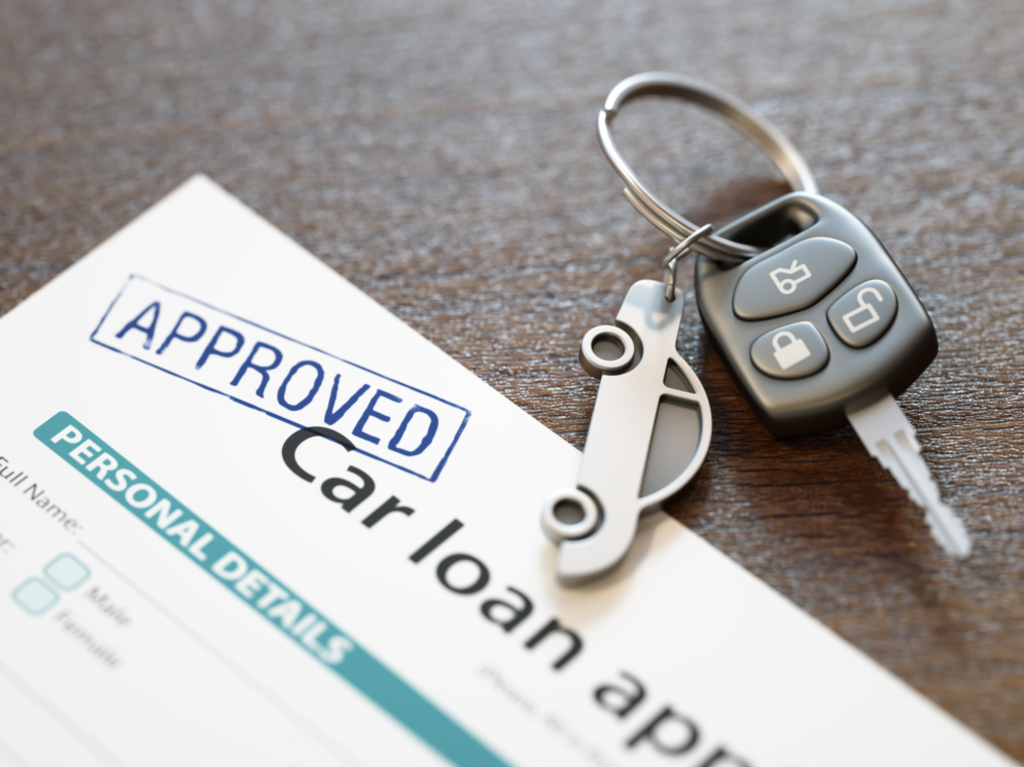
Can You Finance a Vehicle With Bad Credit?
First, a low credit score does not create an automatic denial. Additionally, lenders review the full application before issuing a decision. They may check income, housing costs, monthly debts, job history, and recent payment records. Additionally, they review the amount you want to finance.
Why can two lenders reach different answers? Each lender uses its own credit standards and loan programs. One lender may accept a file that another lender declines. Therefore, a past rejection does not predict every future result.
No credit history creates a different challenge. The lender has less repayment history to review. In that case, steady income, complete records, and a manageable loan request may carry more weight. A cosigner may also change the application, though both people share legal repayment responsibility.
Bad credit new car financing is never guaranteed. However, a complete application gives the finance team more information to present. Honest details also reduce surprises during document review.
Dealership Financing Versus One Bank
A bank application usually reaches one financial institution. By contrast, a dealership may send your application to several lenders. Those lenders may offer different rates, terms, down payment requests, or vehicle limits.
Does dealership financing replace outside shopping? No. You may request a preapproval from a bank or credit union before visiting. Then you can compare that offer with any dealership options. This approach gives you a clear reference point.
Furthermore, lender access does not mean every offer will fit your budget. Review each proposal on its own figures. A lower payment may come from a longer term. A lower rate may require more cash down. Therefore, compare the full loan structure before choosing.
Moreover, the finance team may suggest another vehicle or loan amount. That change is not always a rejection of the shopper. Instead, it may reflect the lender’s limits for price, age, mileage, or vehicle value.
Preparing for the Application
Complete records can keep the review moving. Before applying, gather documents that confirm your identity, address, income, insurance, and trade information. Additionally, the lender may request more records after the first review.
Why does the lender need these items? Credit reports do not confirm current pay, residence, or insurance. Therefore, supporting records connect the application with your present financial picture.
Bring the following items when available:
- A valid government identification card confirms your identity and current information.
- Recent pay stubs or bank records show current income and payment deposits.
- A utility bill, lease, or bank statement may confirm your present address.
- Trade documents should include registration, payoff details, and the current lender information.
Self employed applicants may need tax returns or several bank statements. Additionally, income from more than one source may require separate proof. Make sure names, addresses, and figures match across the records.
Contact the finance team before your visit when a document is difficult to obtain. That conversation may prevent a second trip. It also lets you learn which records your lender group may request.
Down Payment Trade Value and Vehicle Choice
A down payment lowers the amount financed. Cash, positive trade equity, or both may support that reduction. However, the required amount varies by application and vehicle.
Can a trade replace cash down? It can when the trade is worth more than its loan payoff. The difference becomes positive equity. That equity may reduce the new loan amount.
Negative equity works differently. When the payoff exceeds the trade value, the remaining balance may enter the next loan. Consequently, the amount financed can rise. A larger request may also change the available terms.
Furthermore, vehicle choice matters because lenders review the asset tied to the loan. Price, age, mileage, book value, and loan amount all enter that review. Therefore, a newer vehicle is not always easier to finance than a used one. The full structure matters more than one label.
A less expensive vehicle may create a smaller loan request. Still, age or mileage limits can remove certain used vehicles from some lender programs. Ask the finance team to explain why a specific vehicle fits or fails a lender program.
What Should You Compare Before Signing?
The monthly payment is only one figure. Annual percentage rate, loan term, amount financed, fees, and total repayment deserve equal attention. Together, these figures show the cost of borrowing.
A longer term can lower the monthly payment. However, it may keep the loan open longer and raise total interest. A shorter term may create a higher payment while reducing total interest.
Before signing, review these figures:
- The amount financed shows how much money the lender is providing.
- The annual percentage rate reflects the yearly borrowing rate and certain finance charges.
- The loan term shows how many months you will make payments.
- The total repayment shows the full scheduled amount across the loan.
Also review optional products separately. Ask what each item costs and whether it changes the payment. You should know which items are required by the lender and which are optional.
Do not rush through the contract. Read every figure and ask about unfamiliar charges. Furthermore, compare the final contract with the proposal you discussed. The numbers should match before you sign.
What Happens After You Apply?
An online application starts the review. It does not create a final approval by itself. The finance team may contact you for income records, address proof, insurance details, or trade information.
Prequalification may use preliminary information. Final approval usually requires verification and a specific vehicle. Therefore, terms may change after the lender reviews the complete file.
Once a lender responds, the finance team can explain the offered rate, term, payment, and down payment. You may accept the offer, request another vehicle structure, or decline it. Furthermore, ask how long the offer remains available.
After signing, make payments by the due date and keep proof of each payment. On time payments may support a stronger credit record. Missed payments can damage credit and place the vehicle at risk.
Ross Downing CDJR can discuss new and used vehicle financing with shoppers near Hammond. Bring complete records and a realistic monthly budget. A clear review of the loan, vehicle, and total cost can support a sound decision.
Connect with us

